
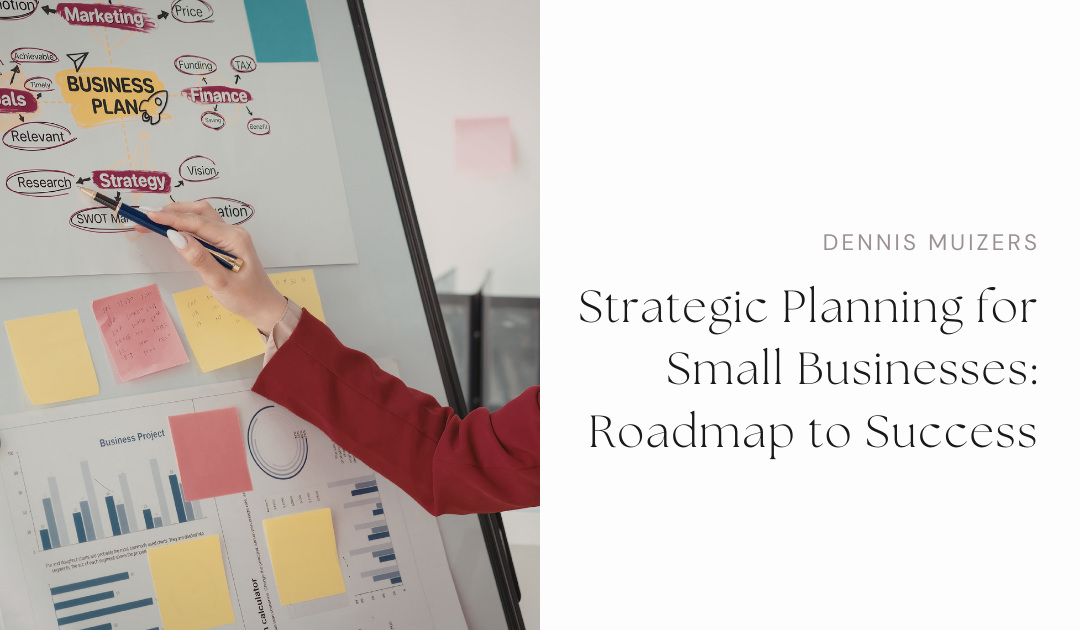
Strategic planning is the backbone of any successful small business. Without a clear roadmap, even the most innovative ideas can struggle to gain traction. A well-structured plan not only guides decision-making but also aligns the team, maximizes resources, and positions the business for sustainable growth.
1. Understanding the Importance of Strategic Planning
Many small business owners focus on day-to-day operations, neglecting long-term strategy. Strategic planning allows entrepreneurs to define objectives, allocate resources effectively, and anticipate challenges. It provides clarity on where the business is headed and how to get there.
A strategic plan also acts as a communication tool. Investors, employees, and stakeholders can understand the company’s vision, mission, and goals. When everyone is aligned, the business moves cohesively toward its objectives, avoiding wasted effort or conflicting priorities.
2. Steps to Creating a Roadmap for Success
Creating a strategic plan involves several key steps:
- Assess the Current Situation: Conduct a SWOT analysis (Strengths, Weaknesses, Opportunities, Threats) to understand where your business stands in the market.
- Define Goals and Objectives: Set SMART goals (Specific, Measurable, Achievable, Relevant, Time-bound) to provide clear benchmarks.
- Develop Action Plans: Break goals into actionable tasks, assign responsibilities, and set timelines for completion.
- Monitor and Adjust: Review progress regularly, making adjustments as needed to respond to market changes or internal challenges.
These steps ensure that strategic planning is not just a document but a living process that drives daily decision-making.
3. Tips for Successful Implementation
Even the best strategic plan fails without proper execution. To ensure success:
- Engage Your Team: Communicate goals clearly and involve employees in planning to create ownership and accountability.
- Prioritize Tasks: Focus on high-impact initiatives that directly support business objectives.
- Track Progress: Use metrics and KPIs to monitor performance and identify areas for improvement.
- Be Flexible: Markets evolve, and so should your plan. Stay adaptable to capitalize on new opportunities.
Strategic planning transforms uncertainty into direction. Small businesses that commit to a well-structured roadmap are better positioned to grow, compete, and achieve long-term success.